
Last updated September 10, 2026
Full 25-point door and opener safety check with every visit - springs, cables, rollers, tracks, and your LiftMaster or Chamberlain opener included
You get a price before we start. It does not change when the truck arrives.
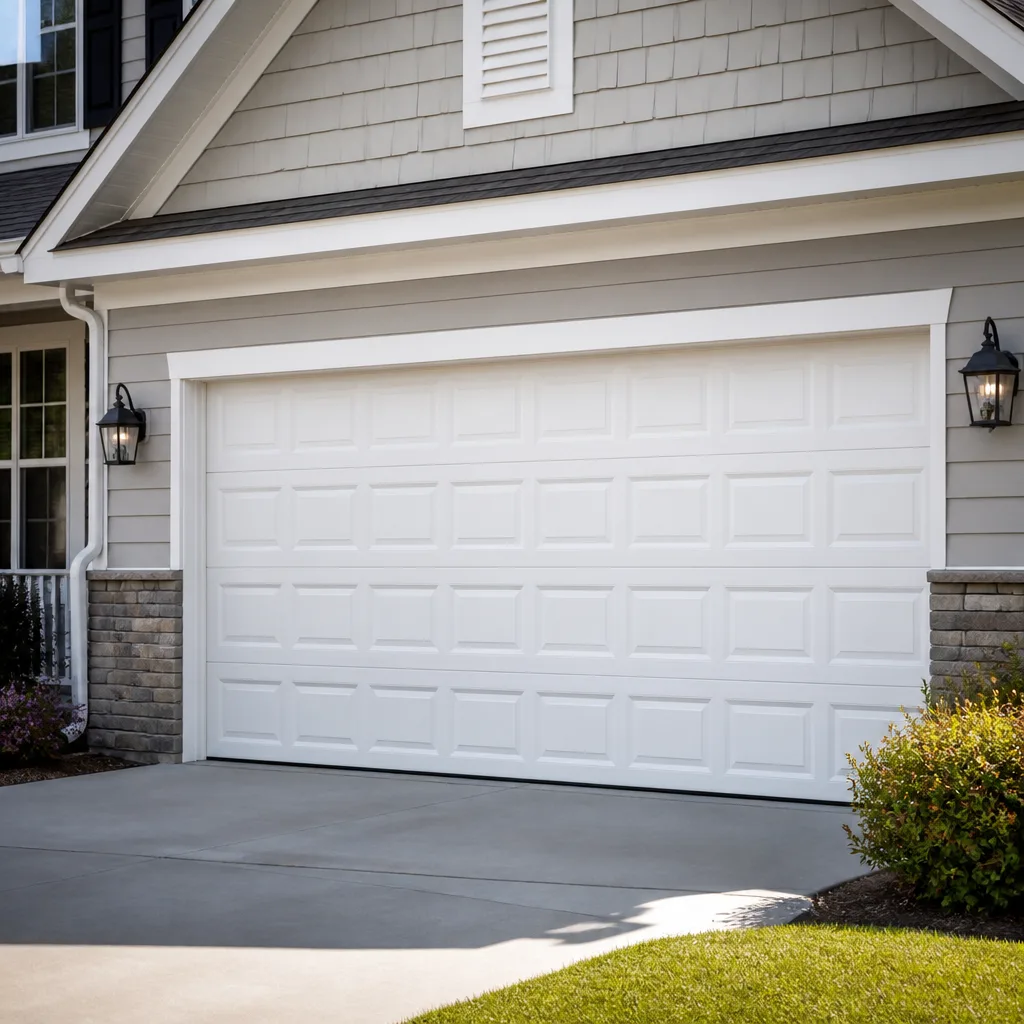
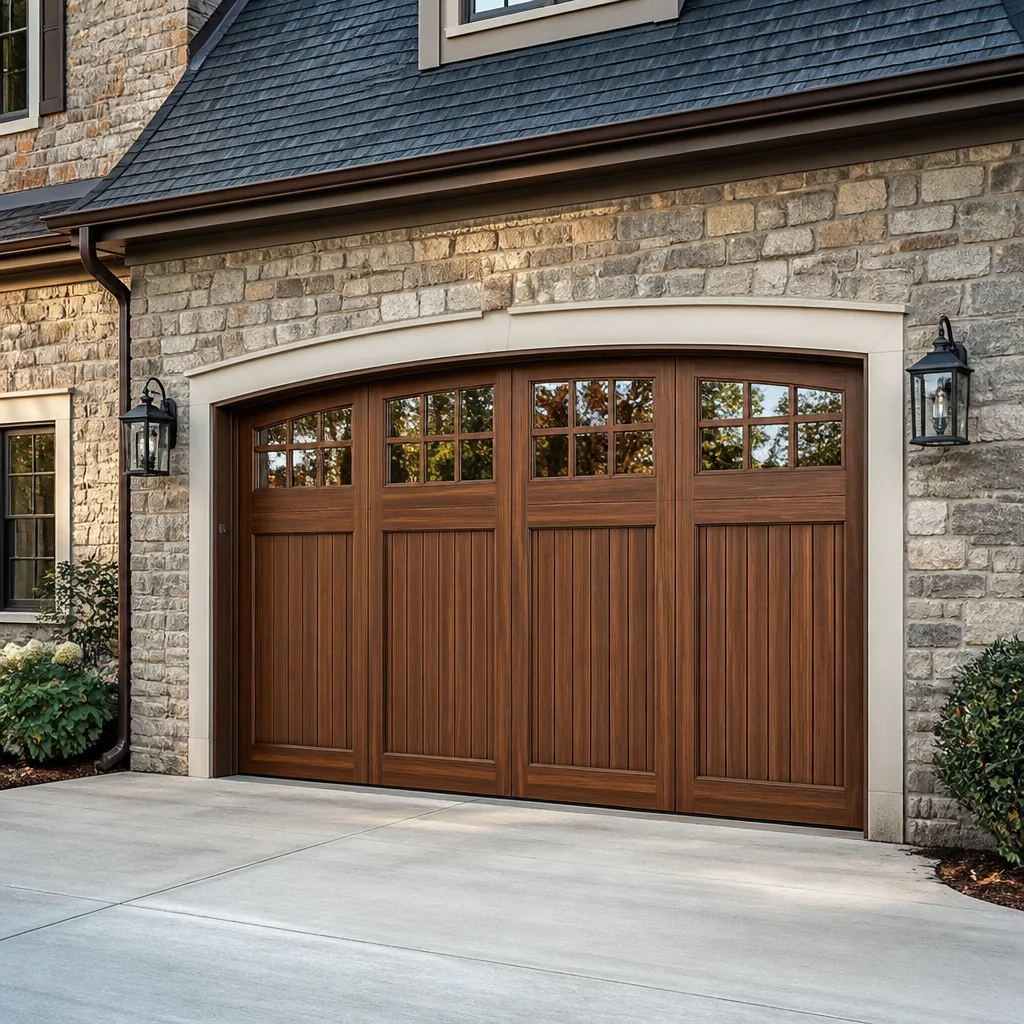
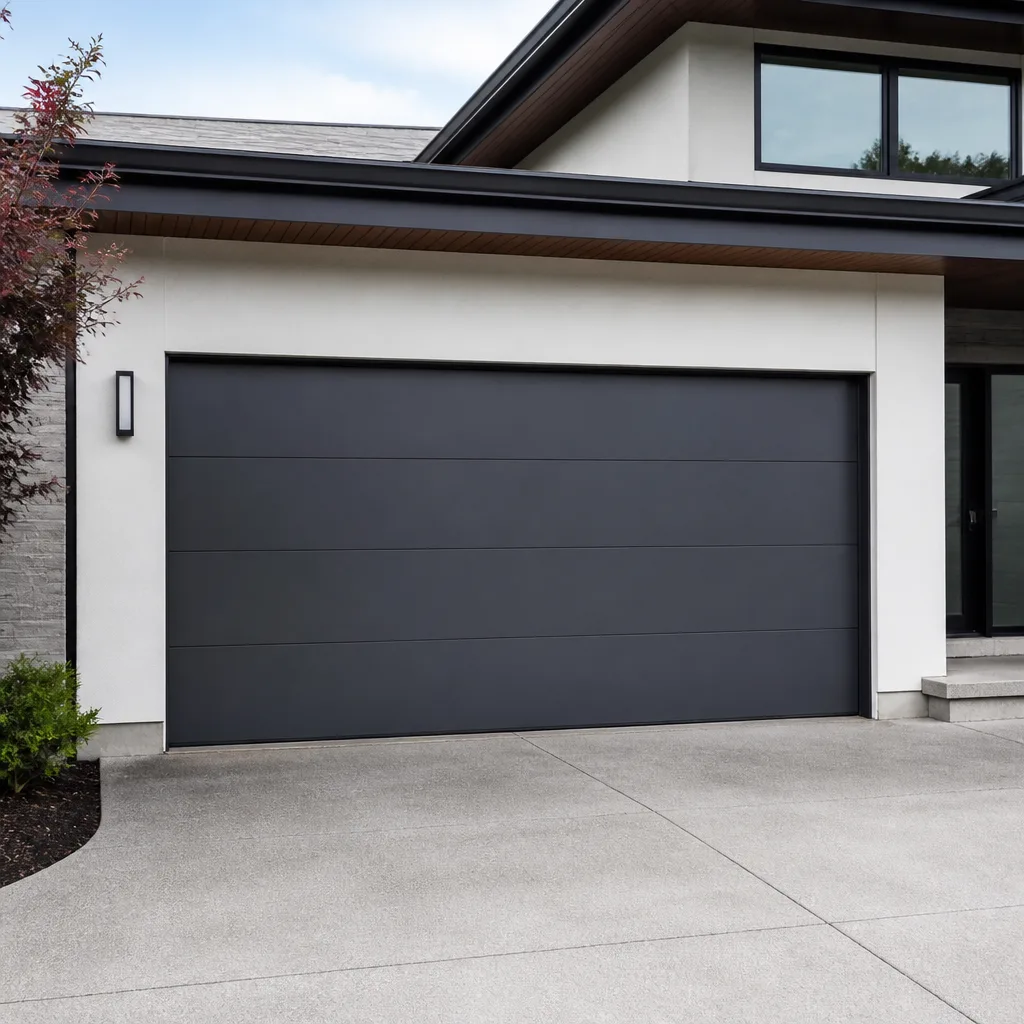
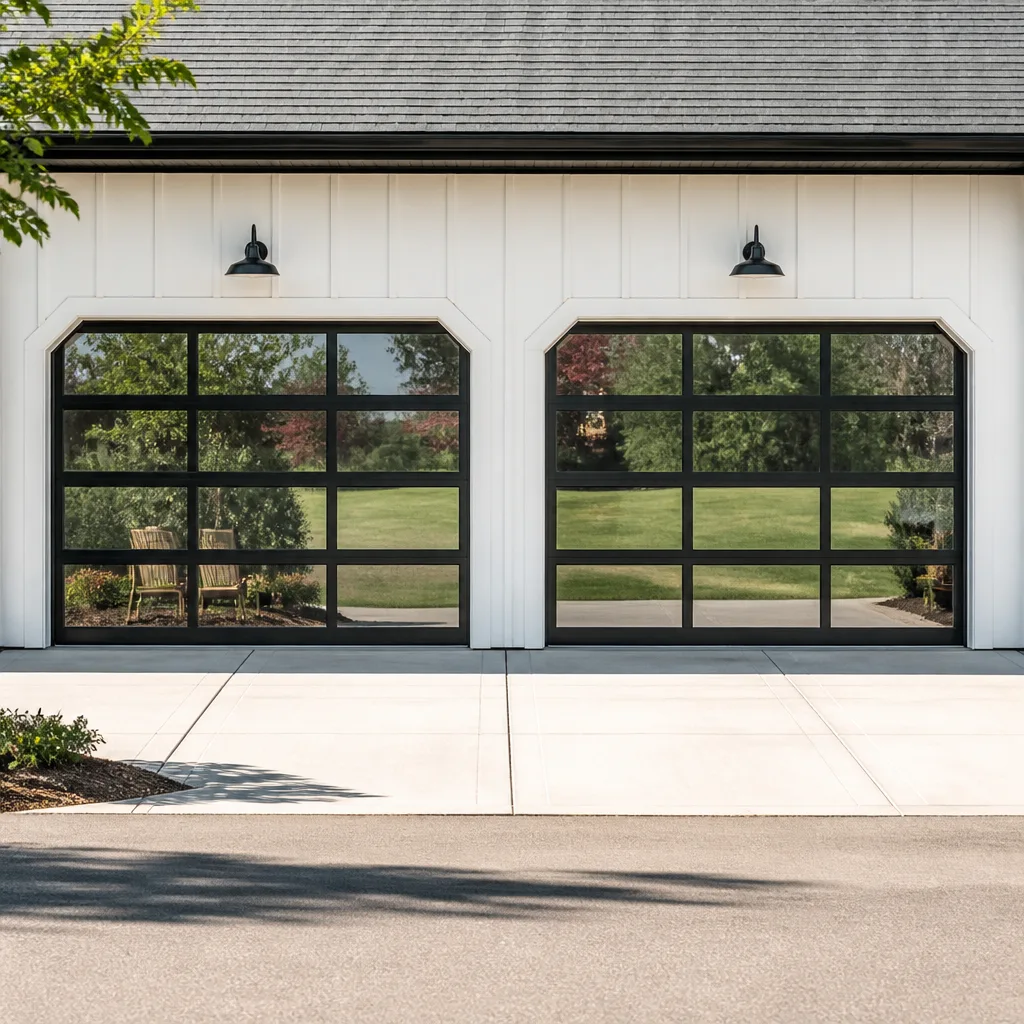
 Before
 After
After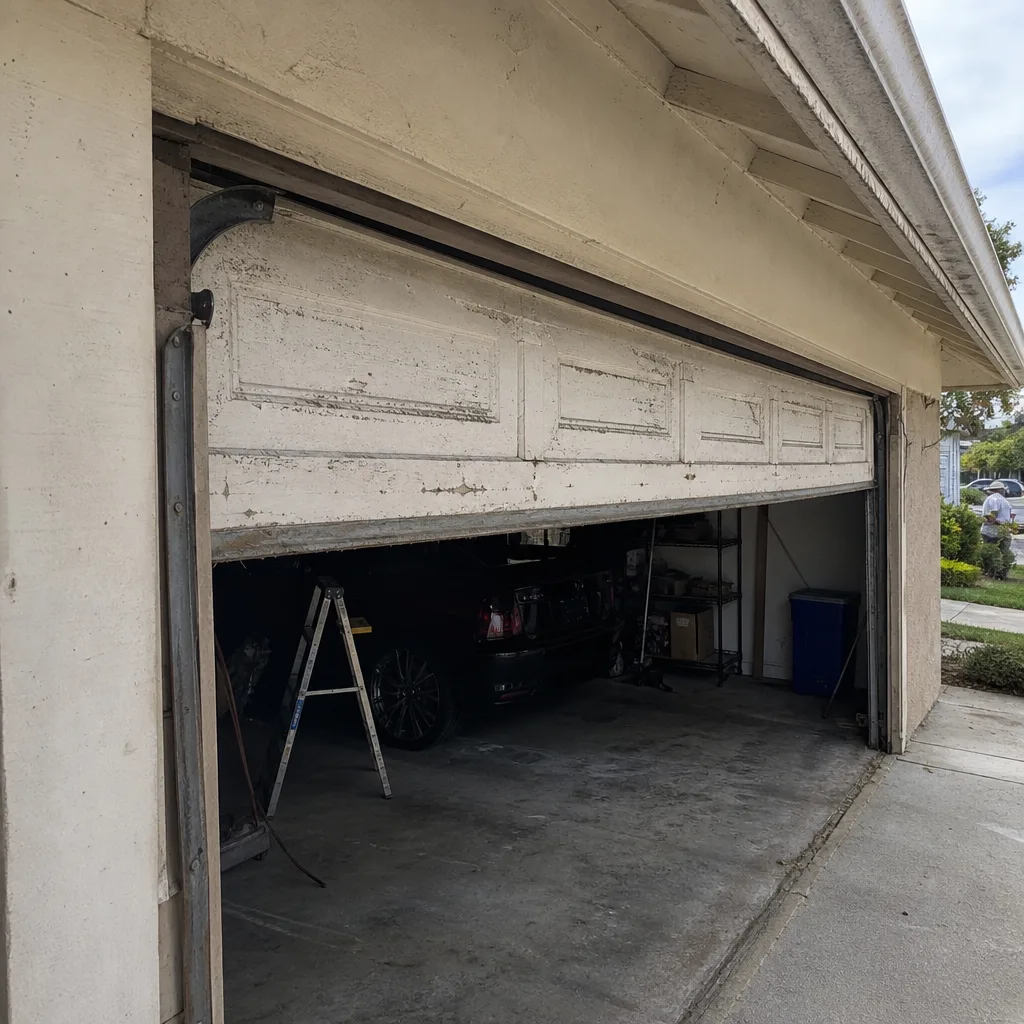 Before
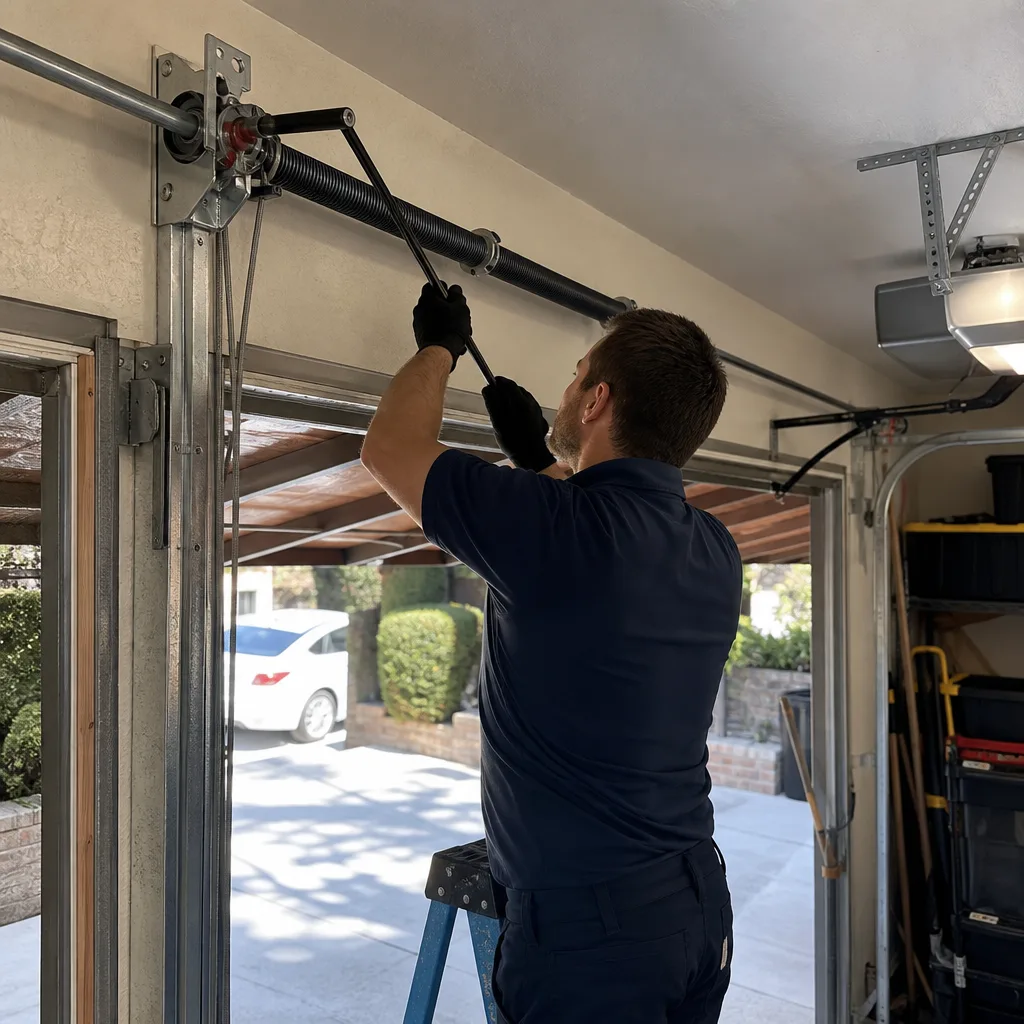 After
After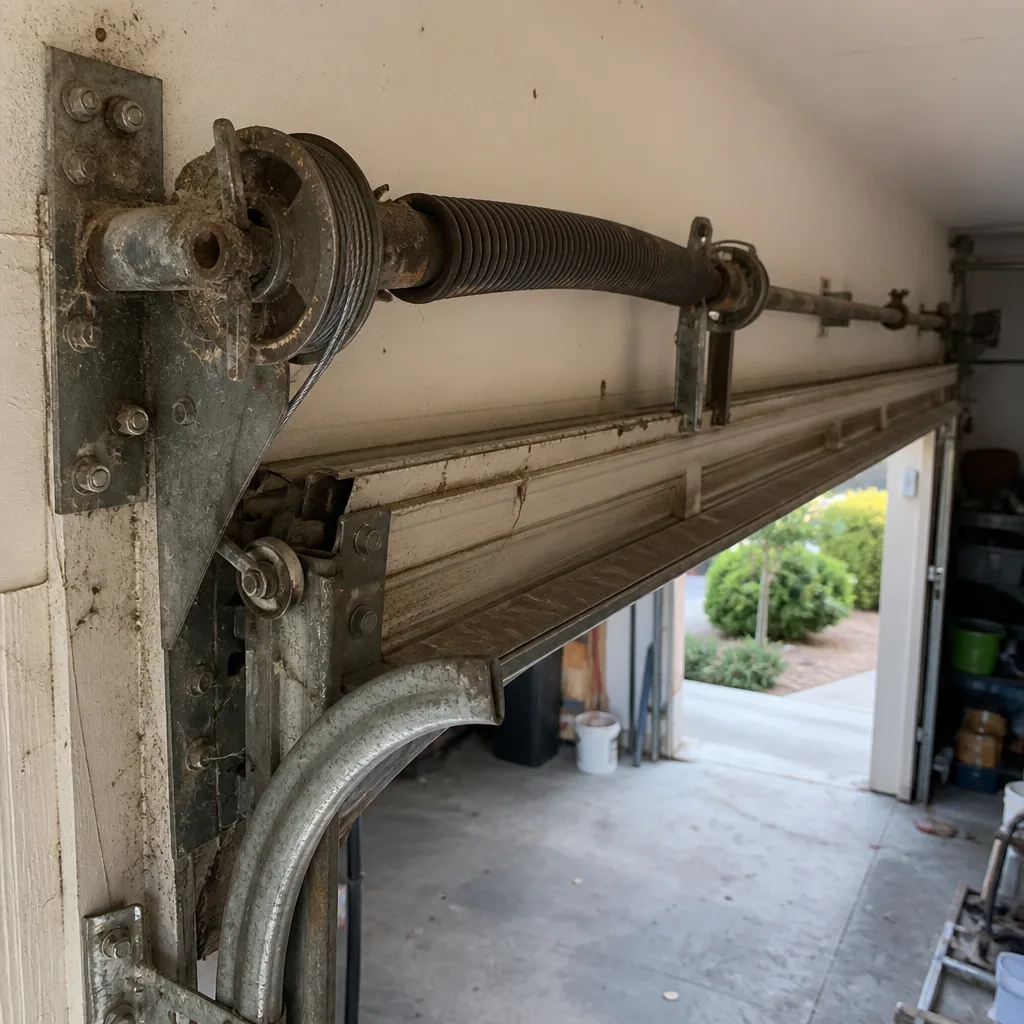 Before
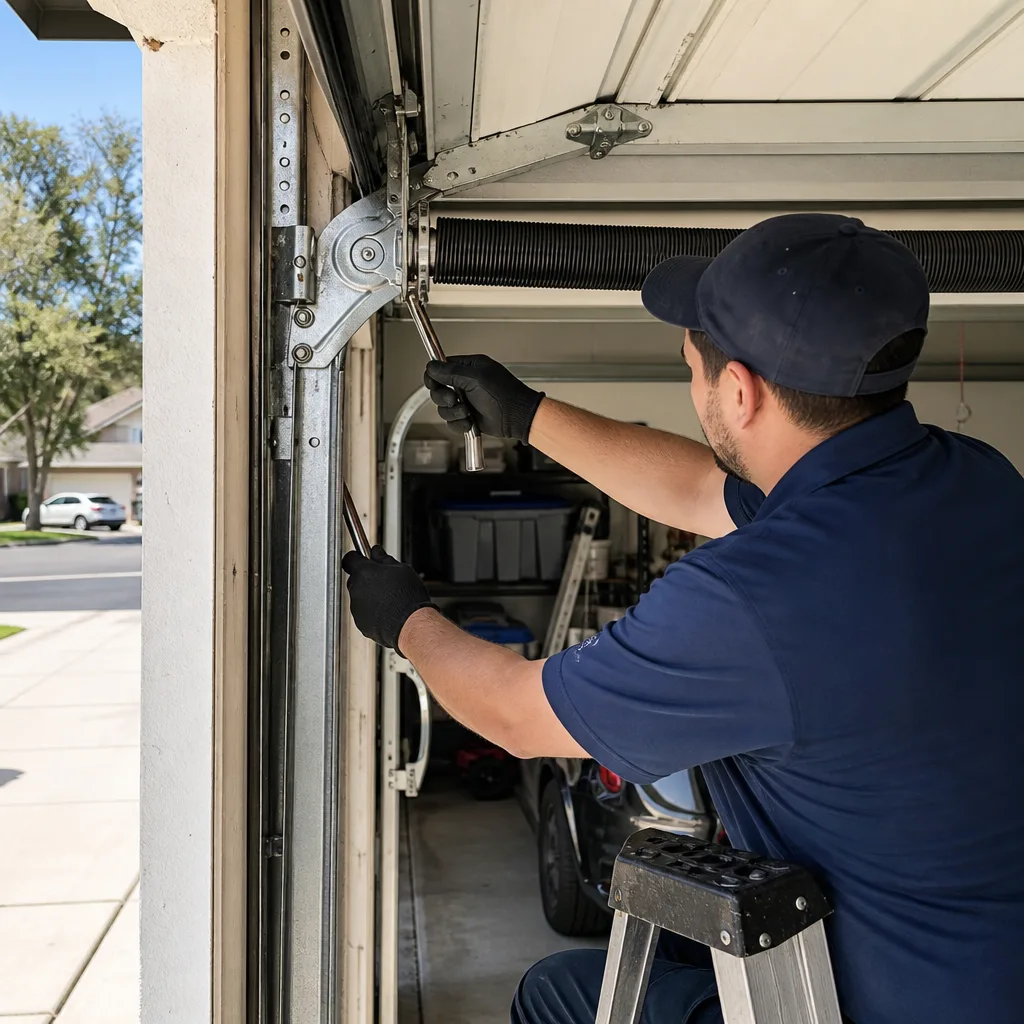 After
AfterGarage Door Permits, Codes & Inspections in CA: What You Need to Know
Here’s the thing nobody tells you at the home improvement store: in California, a garage door is not just a door. It’s a structural wall component, a fire barrier, and in our case in Thousand Oaks, a seismic safety device. If you sell your house and the buyer’s inspector finds an unpermitted garage door opener installation or panel replacement, you’re the one who has to retroactively permit it, or discount the sale price to cover it. This guide walks you through exactly which garage door jobs trigger permit requirements under California Building Code, which ones don’t, and how to clean up past work without getting tangled in red tape. For Garage Door Repair Maintenance Checklist for Thousand Oaks Homeowners and more guides & resources, see our blog.
Quick Answer
In California, replacing garage door springs, cables, rollers, or the opener motor itself typically does not require a permit. However, installing a new garage door, replacing the full door assembly, adding a new electrical circuit for an opener, or modifying the header or structural framing almost always does. When in doubt, call your local building department and ask, because the liability for unpermitted work follows the homeowner, not the contractor, at resale.
Table of Contents
- Which Garage Door Jobs Trigger a Permit in California
- Which Garage Door Jobs Are Exempt from Permits
- How Ventura County and Thousand Oaks Interpret the Code
- The UL 325 Standard and Why 1993 Still Matters
- Seismic Bracing for Garage Door Openers in Thousand Oaks
- Fire-Rated Doors and Attached Garages: Know What You’re Giving Up
- How to Retroactively Permit Unpermitted Garage Door Work
- What Garage Door Permits Cost in Thousand Oaks
Which Garage Door Jobs Trigger a Permit in California
California Building Code (CBC) Section 105 lists the work types that require a building permit. Garage doors fall under structural and electrical provisions, and three specific jobs land on the permit list almost every time: new door installation, full door replacement, and new opener circuits. Here’s the breakdown, straight from how we see it enforced in Thousand Oaks and across Ventura County.
Jobs that require a permit in California:
- Installing a brand-new garage door on a new or existing opening. This is structural work. The door assembly, tracks, and springs impose load on the header and jambs. The city wants it inspected.
- Replacing the entire garage door assembly, including tracks. Even if the opening stays the same size, all-new hardware means all-new connection points to the structure.
- Adding a new electrical circuit for a garage door opener. If there was no opener before and you’re running new wiring, that’s an electrical permit under the National Electrical Code as adopted by California.
- Modifying the opening. Widening, raising the header, converting a single bay to a double, or adding a second door. This is textbook structural alteration.
- Installing a new opener with a dedicated circuit in a garage that had no previous opener circuit. A replacement opener where a circuit already exists is different, covered below.
In Thousand Oaks, the Building Division sits under Community Development. They’re a small shop compared to LA County, and in our experience they’re straightforward to work with. They want the same thing you want: a safe installation that won’t create a problem at resale. Don’t treat the permit counter as an adversary. Treat it as the person who can give you a paper trail that protects your home equity.
Which Garage Door Jobs Are Exempt from Permits
Here’s where people get confused, because the exemption list is specific. California Building Code Section 105.2 lists work exempt from permits. For garage doors, the exempt items are:
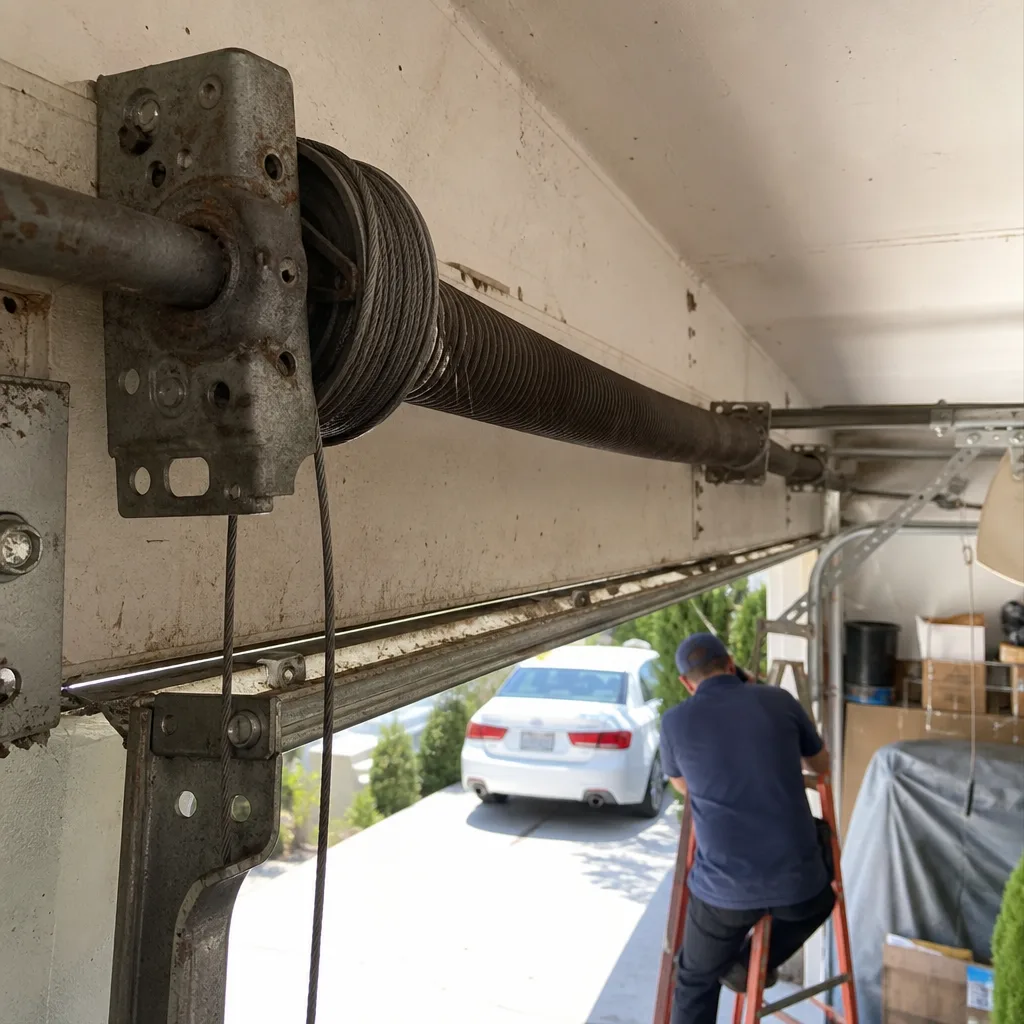
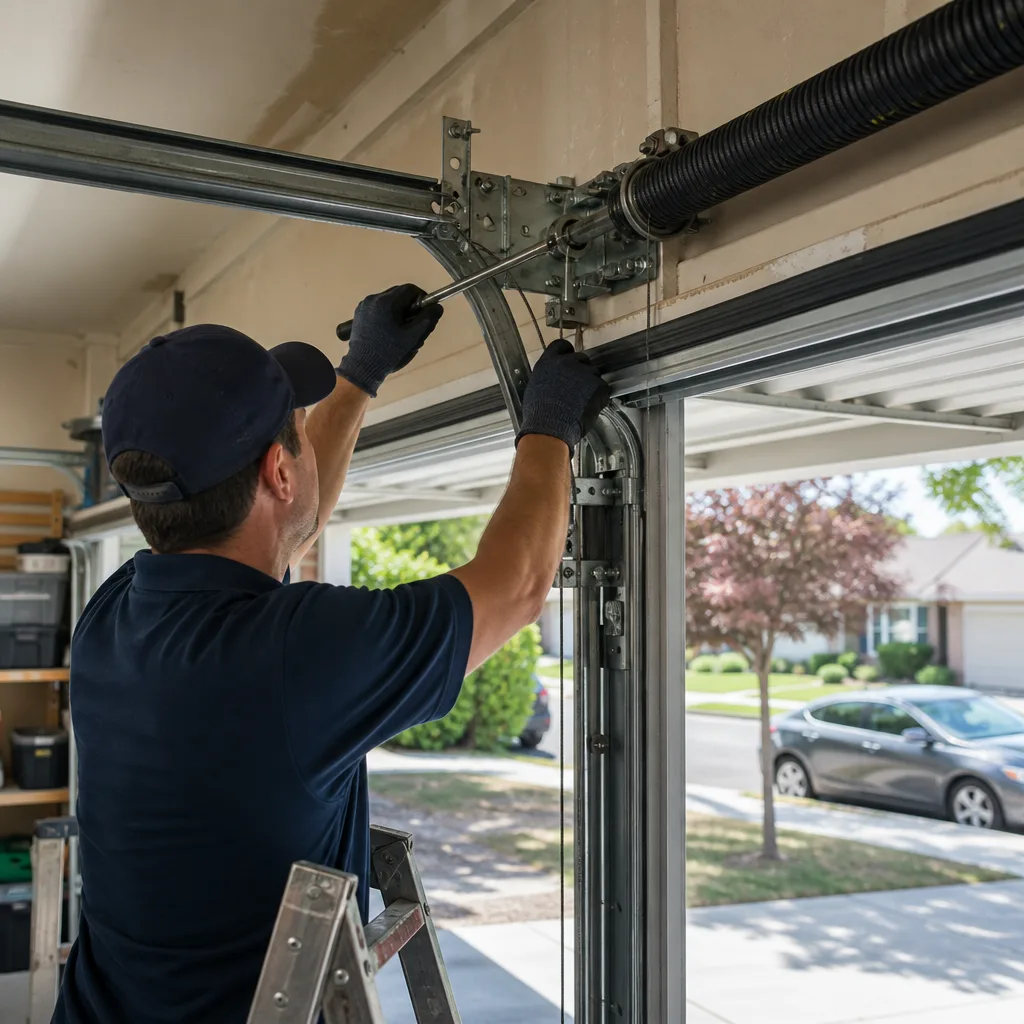
- Replacing garage door springs. Torsion springs and extension springs are considered hardware replacement, not structural work. No permit required, in Thousand Oaks or anywhere else in California.
- Replacing cables, rollers, hinges, and brackets. Worn-out parts swapped for new ones of the same type don’t change the structural load or the fire rating.
- Replacing the opener motor only. If the existing opener circuit is already permitted and you’re swapping a Chamberlain for a LiftMaster on that same circuit, no permit is needed. The electrical work was already signed off.
- Repairing or replacing weatherstripping, seals, and trim. Cosmetic and insulation work that doesn’t touch the structure is always exempt.
- Repainting or refinishing the existing door. As long as you’re not changing the door’s material composition or fire rating, paint away.
The pattern is simple: if you’re repairing what’s already there, no permit. If you’re installing something new or changing the structure, permit. I count spring cycles the way you count tire miles, and I’ll tell you what’s left on yours. But even I don’t need a permit to swap a spring. I do need one to hang a new door on your house.
How Ventura County and Thousand Oaks Interpret the Code
California publishes a statewide building code, but local jurisdictions adopt and amend it. Ventura County and the City of Thousand Oaks both enforce the CBC with specific local additions. Here’s what that means for a homeowner in Thousand Oaks, Newbury Park, Westlake, or Moorpark.
Thousand Oaks requires permits for garage door installations and new opener circuits, and the inspection process runs through the city’s Building Division. You’ll pull the permit, do the work, and call for a final inspection. The inspector verifies the door opens and closes safely, the opener’s auto-reverse and safety eyes work, the framing is intact, and the seismic bracing is installed if required. Ventura County, for unincorporated areas, runs a similar program through the county’s Building and Safety office.
One thing that catches people: Thousand Oaks has its own fire code amendments for attached garages. If your garage shares a wall with living space or sits under a bedroom, the door separating the garage from the house, and the garage door itself, must maintain certain fire-resistance characteristics. We’ll get into that in the fire-rated section below, but the short version is: don’t swap a fire-rated door for a cheaper non-rated one without checking with the city first. It is not worth the insurance headache.
For anyone reading from Otto’s Garage Door home territory, which is Thousand Oaks and the surrounding county, the permit process is manageable. It takes time, but it’s not the horror story some contractors make it out to be. Often the “permit fee” a contractor quotes you is pure markup for their time. A homeowner pulling their own permit for a door replacement typically pays a few hundred dollars in fees, not thousands.
The UL 325 Standard and Why 1993 Still Matters
In 1993, UL 325 became the mandatory safety standard for residential garage door openers in the United States. It requires two things that save lives: an automatic reversal system that stops and reverses the door if it hits an object while closing, and photoelectric sensors (the “safety eyes”) mounted no higher than 6 inches off the floor on both sides of the door opening.
Why does a 30-year-old standard matter today? Because we still find openers from before 1993 running in Thousand Oaks garages, and spotting them early is one of the Garage Door Warning Signs: A Thousand Oaks Homeowner’s Reference Guide. They predate the safety eye requirement, they don’t have modern auto-reverse, and they’re genuine hazards. A door is 200 pounds riding on two springs. Respect it. If an opener from the 1980s or early 1990s is still in service, it needs to be replaced, not repaired. And if you’re buying a house with an opener of that vintage, factor in replacement before move-in.
UL 325 also applies to new opener installations. Any opener installed in California must be UL 325-compliant. The major brands all are. Raynor, LiftMaster, Chamberlain, and Genie each build to the standard, and their current models include auto-reverse, safety eyes, and manual release mechanisms that meet or exceed federal and state requirements. When we install an opener in Thousand Oaks, the UL 325 compliance check is part of the final inspection. The city inspector will test it, and so will we.
If you’re replacing an old opener, go with a current-model LiftMaster or Genie. Both have solid track records in Thousand Oaks, and parts are easy to get locally when a gear or logic board eventually wears out.
Seismic Bracing for Garage Door Openers in Thousand Oaks
Thousand Oaks sits close enough to the San Andreas, Santa Susana, and Simi-Santa Rosa fault zones that seismic safety is not theoretical. California Building Code requires that garage door openers be braced to the structural framing rather than just hung from the ceiling drywall. This is CBC Section 1908 for seismic anchoring and, specifically for garage doors, the requirement that any ceiling-mounted equipment over 20 pounds be independently supported from the structure above.
A garage door opener weighs 20 to 35 pounds. Mounting it to a metal bracket screwed only into ceiling drywall is a code violation and a genuine hazard in an earthquake. We’ve seen openers in Thousand Oaks garages that were hung from drywall anchors because the previous owner or installer took a shortcut. In a moderate quake, that opener can let go. If your car is in the bay, it takes the hit. If a person is standing there, worse.
Proper seismic bracing means strut channel or angle iron run from the opener head to the ceiling joists, with lag bolts into the framing. It also means the door tracks themselves should be securely bolted to the wall and ceiling framing, not floating on brackets that rely on the drywall for shear. If the opener is straining, the problem is almost never the opener. Sometimes it’s bad installation, and seismic bracing is the first thing we check in Thousand Oaks.
For anyone planning a garage door opener in Thousand Oaks, make sure your installer addresses seismic bracing on the written quote. If they don’t mention it, ask. The inspector will check it anyway, and a retrofit after the fact costs more than doing it right the first time.
Fire-Rated Doors and Attached Garages: Know What You’re Giving Up
When your garage is attached to the house or sits directly under living space, the wall between the garage and the house must have a one-hour fire rating. That’s been California code for decades. What many homeowners don’t realize is that the garage door itself is part of that fire barrier.
A garage door on an attached garage is required to maintain a fire-resistance rating consistent with the wall assembly. In practical terms, that means a steel or metal-skinned door, not raw wood. Wood doors can be used only if they meet the fire-rated construction standard, which most homeowner-installed wood doors do not. When you swap a steel door for a cheaper wooden one to match your trim, you may be reducing the fire barrier between your car and your kitchen. Your homeowner’s insurance policy almost certainly expects the garage-to-house assembly to remain code-compliant. If a fire spreads from the garage into the house and the investigation shows a non-rated door was recently installed, the claim gets complicated.
In Thousand Oaks, we see this mistake at the edges of tract communities like Conejo Valley and Newbury Park, where mid-century homes get cosmetic upgrades. The homeowner wants a carriage-house wood look. The city wants a fire barrier. The solution is usually a steel door with a wood-look finish, which several manufacturers, including Clopay and Amarr, produce specifically for this situation. You get the curb appeal without giving up the fire rating.
If you’re planning a garage door installation in Thousand Oaks and the garage is attached, make sure your installer confirms the replacement door matches the fire rating of the old one. It’s the kind of thing that doesn’t show up until it’s too late.
How to Retroactively Permit Unpermitted Garage Door Work
Here’s the scenario we hear at least once a month: someone bought a house, lived in it for five years, and now the buyer’s inspector flagged the garage door opener because there’s no permit on file. The seller panics. Or a homeowner did a door replacement years ago as a DIY project and never pulled a permit. Now they’re selling and the title company wants it resolved. Here’s the actual process, stripped of the scary version:
- Call the building department. In Thousand Oaks, that’s the Building Division at City Hall. Ask: “I need to retroactively permit a garage door [or opener] installation at [address]. What’s the process?” They’ll tell you the application type. It’s typically a “permit for as-built work” or “retroactive permit.”
- Prepare for an inspection. The city will send an inspector to look at the existing installation. They’re checking for code compliance: UL 325 safety features on openers, seismic bracing, fire-rated door material if applicable, proper track mounting, and safe operation.
- Fix what fails. If the inspector flags items, you correct them. Common fixes: adding safety eyes to an old opener, adding seismic bracing, replacing a non-rated door on an attached garage. These are not costly repairs in most cases.
- Pay the fee. Retroactive permit fees in Thousand Oaks are generally the same as original permit fees, sometimes with a small penalty. Expect a few hundred dollars.
- Get the sign-off. Once the inspector approves, the city issues the final permit. It goes on file. Your sale moves forward.
The whole process usually takes two to four weeks, depending on inspection scheduling. It’s tedious, but it’s not the nightmare scenario. And it’s almost always cheaper than the buyer’s counteroffer asking you to knock $5,000 off the price for “unpermitted work.”
What Garage Door Permits Cost in Thousand Oaks
Permit fees in Thousand Oaks are based on the valuation of the work. The city uses a fee schedule that scales with the project cost. For a typical garage door replacement valued at $2,000 to $4,000, the building permit fee generally runs between $150 and $400. Add electrical permitting for a new opener circuit and you’re looking at another $50 to $150. Inspection fees are usually included in the permit cost, not charged separately.
For comparison, the City of Ventura and Oxnard run similar fee schedules, and unincorporated Ventura County is slightly cheaper because the county has a simpler fee structure for residential work. But the Thousand Oaks numbers are reasonable, and the process is efficient. The bigger cost is time: you’ll need someone on site for the inspection, and if corrections are required, someone has to do the work.
Going through Otto’s, the permit is handled as part of the job, and the price we quote includes permit fees, no surprise line items. We pull the permit, schedule the inspection, and stand there with the inspector until it’s signed off. You don’t have to lose a day of work for a missed inspection window.
Common Mistakes to Avoid
- Assuming all garage door work is permit-exempt. Springs and cables are exempt. New doors and new opener circuits are not. Know which category your job falls into before you start.
- Letting a contractor quote you a “permit fee” without seeing the actual city receipt. Some contractors add $500 to $1,000 for “permitting” and pocket the difference. Ask for the line item and the receipt.
- Swapping a steel door for a wooden one on an attached garage. You may have just removed the fire barrier between your garage and your house. In Thousand Oaks, you’ll also get flagged at resale.
- Mounting an opener to drywall instead of structural framing. This is a seismic hazard in any California city, but especially in Thousand Oaks. The inspector will catch it, and it’s a safety problem until they do.
- Not keeping a copy of the final inspection sign-off. When you sell, that piece of paper proves the work was permitted. Store it with your home records.
- Buying a house with a pre-1993 opener still installed. That’s an old Chamberlain or Genie unit without safety eyes. Replace it before you move in.
- Thinking the permit is the contractor’s problem. The permit is issued to the property owner. If the contractor walks away, you still own the unpermitted work. We handle permits for our Thousand Oaks jobs, but plenty of fly-by-night operations don’t.
When to Call a Professional
You can replace a weather seal yourself. You should not be under a torsion spring. You should not be hanging a 150-pound steel door alone. You should not be running a new electrical circuit if you’ve never done it. And you should not be touching anything that requires a permit if you don’t have a relationship with the building department already.
Call a professional when the job involves structural work, electrical work, fire-rated components, or anything under tension. That’s our line. We’ll tell you honestly if a job is simple enough for a homeowner, because Otto would rather keep a customer for twenty years than win one big ticket. For any garage door repair in Thousand Oaks, Otto’s Garage Door offers free estimates and straight answers. Call (805) 519-7431.
Frequently Asked Questions
Yes, if you’re replacing the entire door assembly. A new garage door installation requires a building permit in Thousand Oaks, as it does throughout California under the state building code. Retrofit repairs like springs, cables, and rollers do not require a permit. Call the Thousand Oaks Building Division to confirm before you start, or call (805) 519-7431 and we’ll handle the permit as part of the job.
A permit is required if the opener needs a new electrical circuit. If you’re replacing an old opener on an existing permitted circuit, no permit is needed. The threshold is the wiring: new circuit, new permit. Call (805) 519-7431 for an exact assessment of your garage’s existing setup.
UL 325 is the federal safety standard for garage door openers, mandatory since 1993. It requires automatic reversal and photoelectric safety eyes. Openers from before 1993 don’t meet this standard and should be replaced, not repaired.
Expect to pay between $150 and $400 for a typical door replacement permit in Thousand Oaks, with electrical permits adding $50 to $150. The city bases fees on the project valuation, so a higher-value door means a slightly higher fee. We include permit fees in our written quotes, so there are no surprise line items.
Technically yes, but the buyer’s inspector will likely flag it, and you’ll either retroactively permit it or discount the sale. In California, the liability for unpermitted work follows the property owner. A retroactive permit in Thousand Oaks takes two to four weeks and costs a few hundred dollars, which is usually cheaper than the buyer’s counteroffer. Call (805) 519-7431 and we can walk you through the process.
If your garage is attached to the house or below living space, yes. The garage door must maintain a fire-resistance rating consistent with the garage-to-house wall assembly. Wood doors typically don’t meet this standard unless specifically fire-rated. Steel doors with wood-look finishes give you both the look and the code compliance. Call (805) 519-7431 and we’ll confirm what your existing door is rated for.
The Bottom Line
California garage door permitting is not optional when it’s required, and the requirement applies more often than most homeowners assume. New doors, full replacements, and new opener circuits need permits. Springs, cables, rollers, and motor swaps on existing circuits don’t. In Thousand Oaks, the process is straightforward: apply, install, inspect, sign off. The alternative, unpermitted work discovered at resale, costs more and takes longer. Do it right once. We’ve been in this county since 2004, and Otto is a palindrome: reads the same from either end, same as the door. For more guides & resources or free estimates in Thousand Oaks, call (805) 519-7431.
Written by Otto Reinhardt, Owner at Otto’s Garage Door, serving Thousand Oaks since 2004.