
Full 25-point door and opener safety check with every visit - springs, cables, rollers, tracks, and your LiftMaster or Chamberlain opener included
You get a price before we start. It does not change when the truck arrives.
 Before
 After
After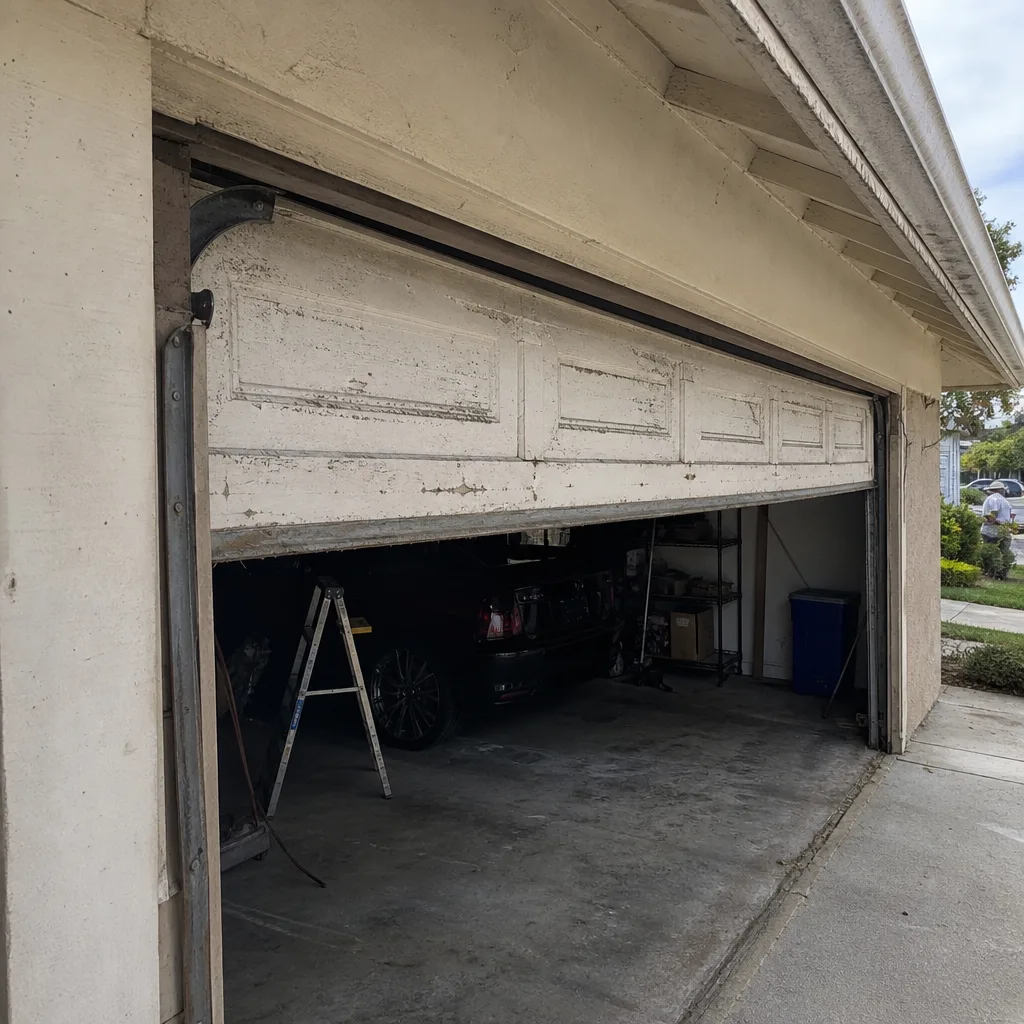 Before
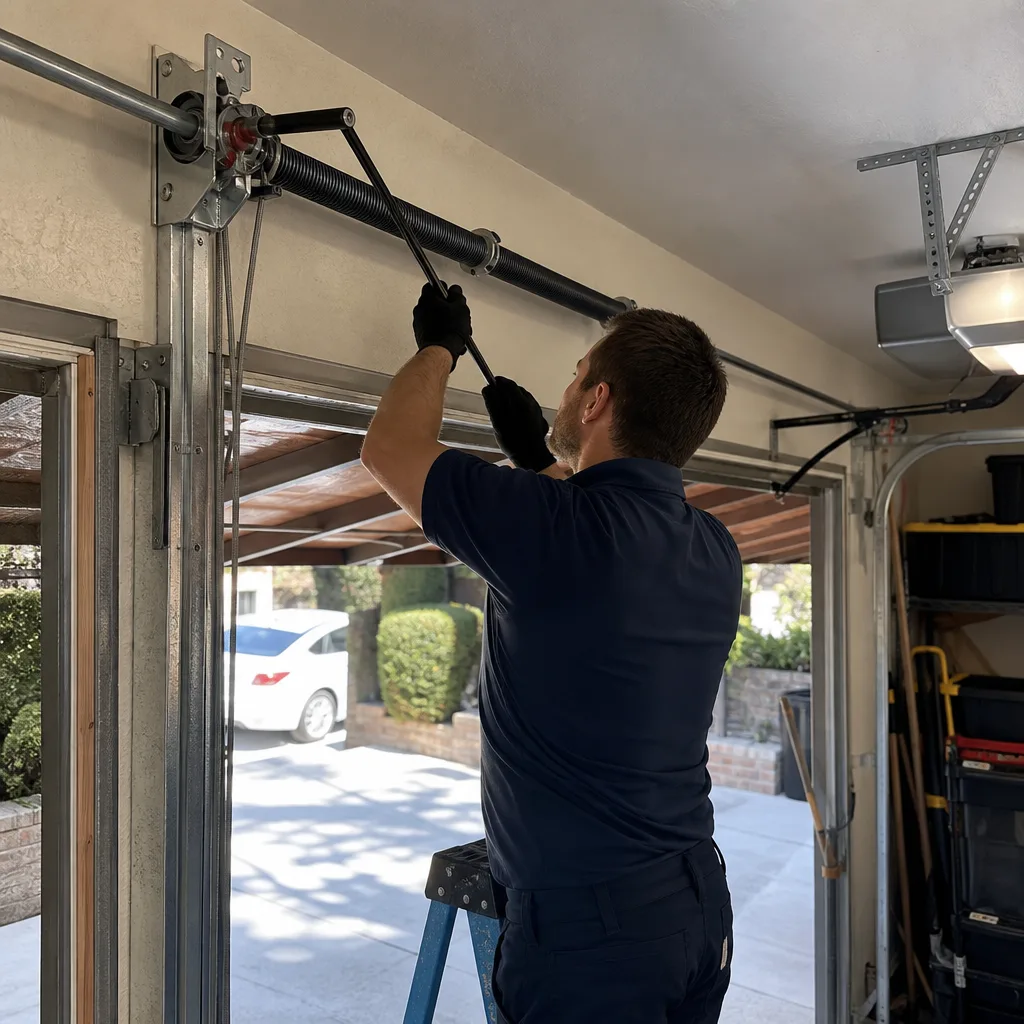 After
After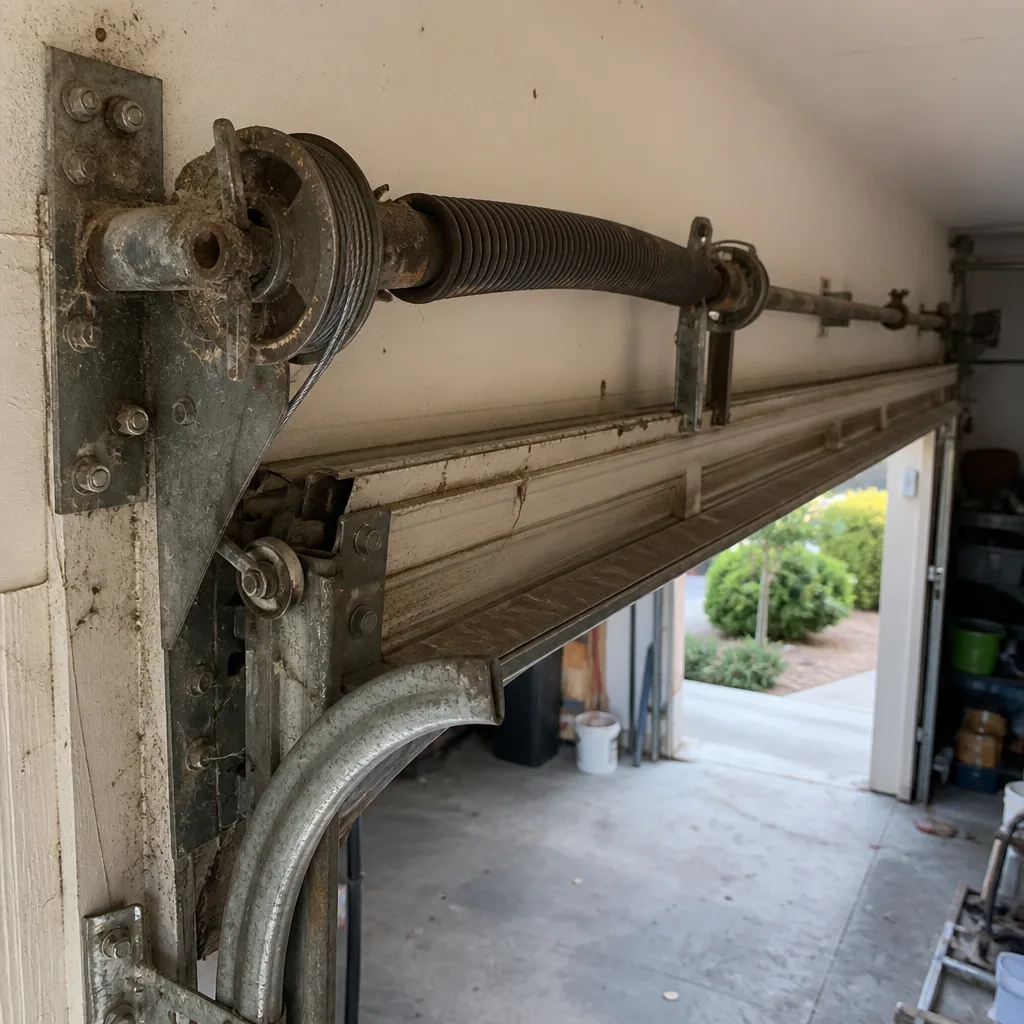 Before
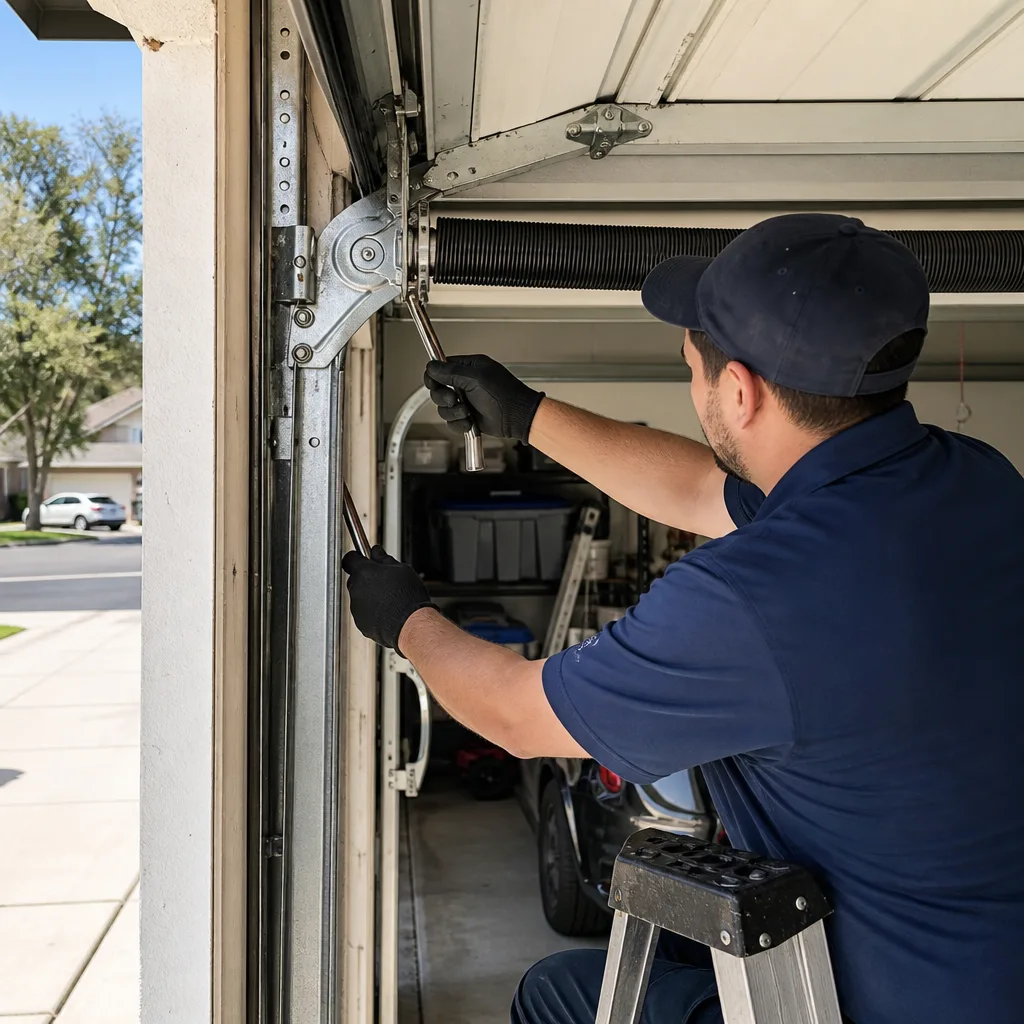 After
AfterCraftsman Roller Replacement: The Thousand Oaks Owner’s Guide
We stock and install Craftsman-compatible garage door rollers throughout Thousand Oaks, and most roller replacement jobs run between $110 and $220 including the parts and labor, with same-day service available in most of the Conejo Valley. If your door sounds like it’s dragging a bag of gravel up the track, or you’ve spotted a roller that’s chipped, wobbling, or missing its wheel entirely, that’s the usual moment folks find us. We’ve been chasing this exact repair in Thousand Oaks since 2004, and Otto Reinhardt carries the roller sizes Craftsman doors actually use on the truck for most calls.
Here’s the picture we see again and again: the door works, but it’s louder than it used to be, or it shudders halfway up, or one side sits a fraction lower than the other. You take a look and there’s a roller with a flat spot, or the nylon wheel has split, or the bearing froze and the wheel’s been skidding on the track instead of spinning. That’s a roller replacement. It’s not a new door. It’s not a new opener. And in Thousand Oaks, with our dry summers and the fine dust that settles in every track, rollers take a beating faster than most people expect.
Which Craftsman Models This Applies To
Craftsman garage-door rollers aren’t one-size-fits-all. The original rollers in most Craftsman doors are either a 2-inch nylon roller with a 4-inch stem or a 3-inch roller on the bottom bracket, and the difference matters more than you’d think. The 3-inch bottom rollers carry most of the door’s weight, so when they fail, the door leans and the top panels start binding. If your Craftsman opener badge says anything from the common half-horsepower chain-drive units up through the belt-drive models paired with a Craftsman steel door, you’re almost certainly looking at those two sizes, and we match them at the door, not over the phone.
A note on compatibility: Craftsman has been through a few manufacturing relationships over the years, and a door hung in 2008 doesn’t always take the same roller as one from 2018. The stamped metal on the hinge tells the story. If you can read the hinge number, Otto can match it on the spot. As for original equipment versus a quality aftermarket equivalent, our position is simple: we install OEM-spec steel-ball-bearing nylon rollers with sealed bearings, not the cheap plastic-wheel knockoffs that flatten in a year. We’re an independent Thousand Oaks shop, not affiliated with Craftsman, and we’ll tell you straight when the aftermarket part is better and when it isn’t.
Signs Your Craftsman Roller Replacement Is Failing
- Grinding, rumbling, or a “dragging” sound while the door moves. The bearing inside the roller has gone dry or flat. The wheel isn’t rolling anymore; it’s skidding, and every cycle grinds metal dust into the track. In Thousand Oaks, that dust mixes with air that’s already dusty, so the wear accelerates.
- Visible chips, cracks, or flat spots on the nylon wheel. A roller should be perfectly round. Once it’s got a flat side, the door hops a little on every pass. That hop is what loosens hinges and, over time, throws the door off balance.
- Door shudders or hesitates partway up the track. A seized roller puts more load on the opener, and the door fights the motor instead of gliding. This is a good moment to remember: if the opener is straining, the problem is almost never the opener. It’s usually something like this.
- One side of the door sits lower than the other when closed. The bottom bracket roller on the low side has likely worn down or its stem is bending. A leaning Craftsman door wears out every other roller above it, so catching this one early saves you a full set later.
- You can see the roller stem sticking out of the hinge at a wrong angle. The stem is bending or the hinge sleeve is wallowing out. If a roller comes out of the track, the door can jam half-open, and then you’re not going anywhere this morning.
Replacement Cost & What’s Included
Across Thousand Oaks, garage door roller replacement runs $110 to $220 installed. The spread comes from what we find when we look: how many rollers are done, whether the bottom brackets need replacing at the same time, and whether the nylon wheels are standard or the heavy 3-inch bottom-roller design. Here’s how that breaks down:
- Standard 2-inch nylon roller set (10-12 rollers): $110-$170 installed
- Roller set plus bottom bracket replacement: $150-$220 installed
- Single roller with labor: $89-$120, typically bundled into the full-set job
Every quote is given on the phone and held at the door; the price you hear is the price you pay, before any work starts. Our roller work carries the same 90-Day Done Right Promise that Otto prints on every invoice: if it’s not right, we’re coming back. You don’t have to chase anyone.
DIY or Call Us?
You can safely watch for the symptoms above. You can check whether the wheel is chipped or missing. You can tell us what you see before we even show up. What we don’t recommend is pulling rollers out of a Craftsman door yourself, because the bottom bracket sits right at the cable connection, and that cable is under tension from the spring. A door is 200 pounds riding on two springs; respect it. One slip on that bottom bracket and the cable can unspool fast enough to hurt someone. For top rollers, it’s tempting, but the angle of the track and the hinge alignment are easy to get wrong, and a wrong-seated roller chews up the track in a month. If you’re not sure what you’re looking at, call Otto at (805) 519-7431. It costs nothing to ask.
FAQs
Steel-ball-bearing nylon rollers on a Craftsman door typically last 7 to 12 years in the Thousand Oaks climate, but the original equipment on some older Craftsman doors used bare metal or cheap plastic rollers that die in half that time. If you’re hearing noise or seeing flat spots, the clock ran out. Call (805) 519-7431 and we’ll tell you what you have before we touch anything.
No, a roller is a sealed unit: wheel, bearing, and stem are one piece. Once the bearing is rough or the nylon has split, the fix is a new roller, and in most cases we replace the full set at the same time so the door doesn’t wear unevenly. We’ll show you the old parts before the new ones go in.
A typical Craftsman roller replacement in Thousand Oaks takes 30 to 45 minutes in the driveway, including checking the track, hinges, and balance while we’re in there. If the bottom brackets also need work, figure an hour. Same-day is available on most calls.
Yes, Otto’s truck carries the standard 2-inch and 3-inch nylon roller sizes that cover the overwhelming majority of Craftsman doors, along with the common LiftMaster, Chamberlain, and Genie opener parts in case the opener needs attention while we’re there. If your door needs something uncommon, we’ll know within the first five minutes and can usually have it the same afternoon.
Written by Otto Reinhardt, Owner, Otto’s Garage Door at Otto’s Garage Door, serving Thousand Oaks and nearby areas.